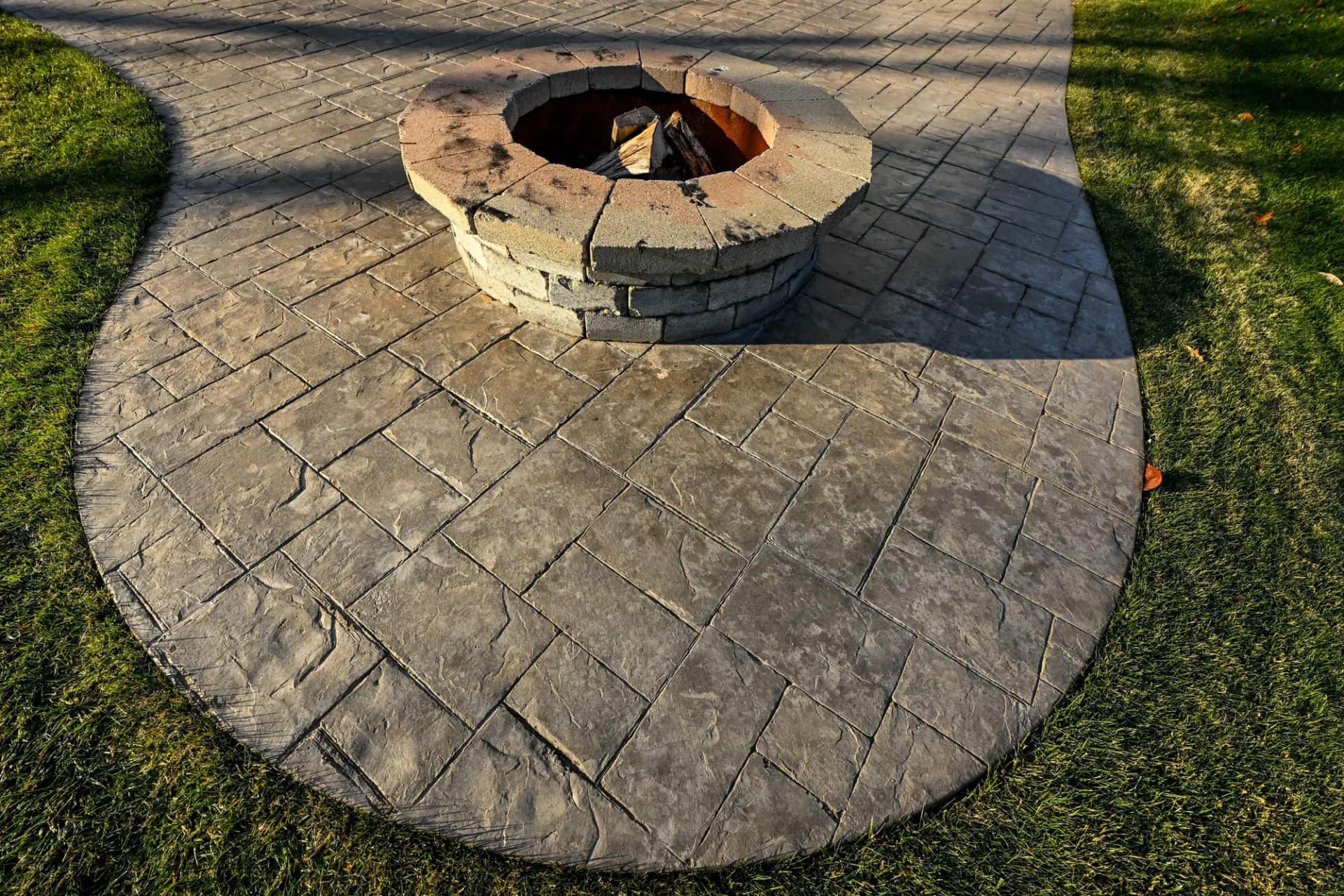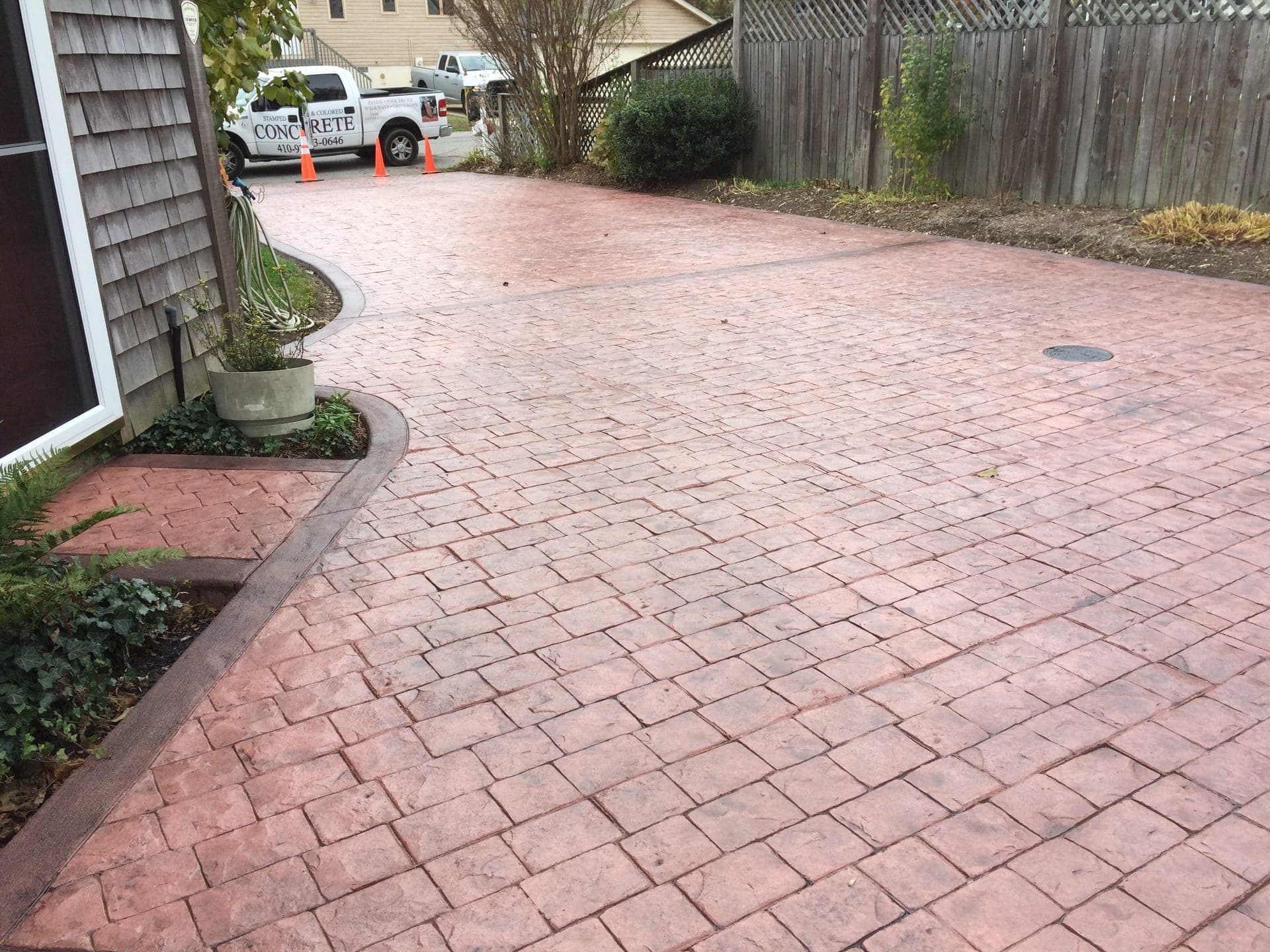
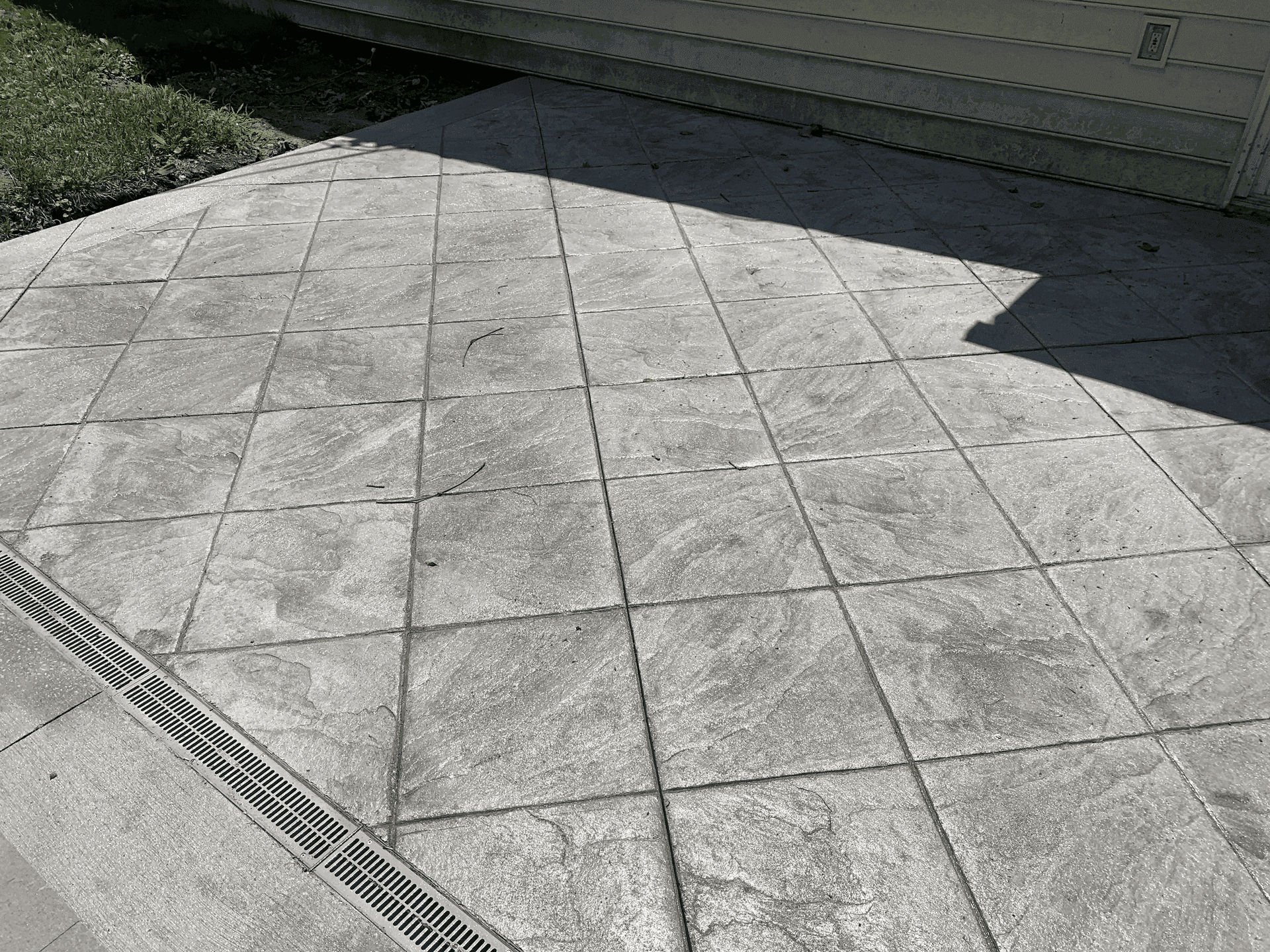
A few years back a customer called me three weeks after we poured her patio. She'd found a hairline crack and she was sick over it. I drove over and took a look. The crack was sitting inside a control joint, doing exactly what I designed it to do, and once I showed her that she felt better in about thirty seconds. I'd rather every homeowner hear this before the pour, so here it is.
All Concrete Cracks. All of It.
Concrete shrinks as it cures, roughly a sixteenth of an inch for every ten feet of slab. That slab is sitting on the ground, and the ground grips it, so the shrinkage builds up stress inside the concrete until something gives. The American Concrete Institute will tell you the same thing I will: some cracking is expected even on perfect work.
Any contractor who promises you crack-free concrete is either lying or hasn't been doing this long enough to know better. I don't promise no cracks. I promise to control them.
The Trick Is Controlling Where It Cracks
That's what control joints are. We cut straight grooves into the slab, and those grooves are planned weak points. The slab cracks underneath the joint, in a straight line, where you never see it. On a standard 4 inch patio I joint every 8 to 10 feet and keep the panels close to square.
I lay the joint pattern out on paper before we ever order the truck, because a joint in the wrong spot is almost as useless as no joint at all. It's a small detail. It's also the difference between a slab that ages clean and one with a lightning bolt through the middle of it.
Cracks You Don't Need to Lose Sleep Over
- Hairline shrinkage cracks. My rough test: if a credit card won't slide into it, it's cosmetic.
- Crazing, that faint spiderweb pattern on the surface. It's skin deep and harmless.
- A crack running inside or under a control joint. That's the joint working.
- An old tight crack that hasn't changed in years. Concrete that's done moving is done.
Cracks That Mean Something's Wrong
- Wider than an eighth of an inch and getting wider each season
- One side sitting higher than the other, which means the ground under it moved
- Water pooling along the crack line
- Several cracks running parallel to each other
- A shattered, alligator-skin pattern, which means the base has failed. On a driveway that's usually the point of no return, and I covered it in my driveway replacement post.
Why Maryland Is Hard on Concrete
Two reasons, and I deal with both on every job. First, our clay soil swells when it's wet and shrinks when it's dry, so the ground under your slab is moving a little all year. Second, freeze and thaw. Water works into a hairline crack and freezes, expanding about 9 percent as it does, prying the crack open a bit wider. Then it melts and refills, and the cycle starts over. One winter can turn a cosmetic crack into a real one.
That's why sealing matters here more than it does in Georgia, and why I tell folks to keep rock salt off their concrete. Sand gives you grip in an ice storm without eating the surface.
How I Keep Cracks Boring
- Dig past the soft stuff and build a compacted stone base. Site prep decides everything.
- Pour full thickness, 4 inches minimum, more where vehicles roll.
- Use an air-entrained 4,000 psi mix that's built for freeze and thaw, and never water it down. Wet mix is easier to finish and weaker to live with, so plenty of crews add water. Mine doesn't.
- Put reinforcement in the slab.
- Cut the joints on time, the same day, not whenever the saw guy shows up.
- Let it cure properly, then seal it.
None of that is fancy. It's just the boring stuff done in the right order, which is most of what separates good concrete work from cheap concrete work. If you're planning a new patio or walkway, the project builder walks through these choices in a couple of minutes.
If You've Got a Crack Right Now
Take a breath and measure it. Make a pencil mark at each end with the date, then check it again in a few months. If it stays tight and stays put, keep it sealed and forget about it. If it's growing, or one side sits higher than the other, have someone qualified look at it.
If you're in Anne Arundel County, that someone can be me. Reach out and I'll come take a look and tell you straight whether it's cosmetic or a real problem. Won't cost you anything to hear the truth.
Bobby
Owner & Lead Contractor at Backyard Bobby's
Bobby is a licensed outdoor construction contractor (MHIC #05-163777) based in Millersville, Maryland. He and his crew have completed hundreds of projects across 19 Anne Arundel County communities — from gravel pads and patios to full deck builds and accessory dwelling units. When he's not on a job site, he writes about what Maryland homeowners should know before starting their next outdoor project.
Ready to Get Started on Your Stamped Concrete Project?
We provide free estimates for all stamped concrete projects in Anne Arundel County and surrounding areas.