Excavation, Grading, and Drainage: What Every Maryland Homeowner Should Know
Most homeowners don't think about excavation, grading, or drainage until they have a problem. Water pooling against the foundation. A patio that floods every time it rains. A driveway that's sinking on one side. A shed that's slowly settling into soft ground.
The truth is, almost every outdoor construction project starts with site work — and when site work is done poorly, everything built on top of it eventually fails. Here's what you should know as a homeowner in Anne Arundel County.
What Is Grading and Why Does It Matter?
Grading is the process of shaping the ground surface to control where water goes. Proper grading ensures that rainwater flows away from your house, away from your structures, and toward designated drainage areas.
The general rule is that the ground should slope away from your foundation at a rate of about 1 inch per foot for the first 6–10 feet. If your yard slopes toward your house or creates low spots where water collects, you have a grading problem.
Anne Arundel County's Soil Challenge
Most of Anne Arundel County sits on clay-heavy soil. Clay has two problematic characteristics:
- It doesn't drain well. Water sits on top of clay instead of percolating through it, which creates standing water and saturated ground.
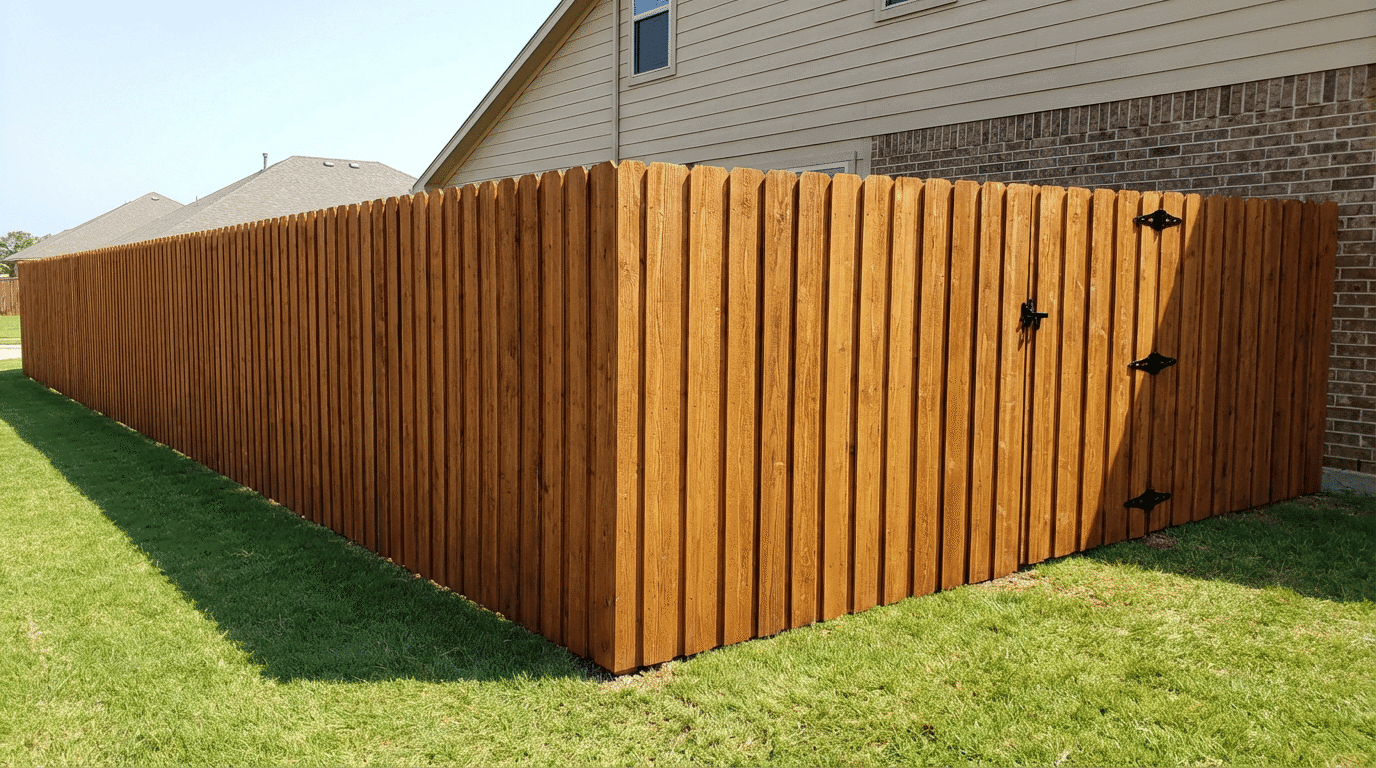
- It expands and contracts. Wet clay swells, dry clay shrinks. This seasonal movement can shift foundations, crack patios, and heave fence posts.
Understanding your soil type is the first step in planning any outdoor project. Projects that work great in sandy soil can fail completely in clay if not built differently.
When You Need Excavation
Excavation goes beyond simple grading. It involves removing soil, rock, old structures, or debris to prepare a site for new construction. Common reasons homeowners need excavation include:
- Foundation prep for ADUs, garages, or large sheds
- Driveway replacement where the old base has failed
- Pool installation or major landscape reshaping
- Basement waterproofing trenching around foundations
- Removing old concrete, asphalt, or structures
Excavation requires the right equipment (mini excavators, skid steers, dump trucks) and the knowledge to work around utilities, property lines, and existing structures.
The Importance of Utility Marking
Before any excavation begins, underground utilities must be located and marked. This includes water lines, sewer lines, gas lines, electric lines, and cable/data lines. In Maryland, calling Miss Utility (811) is both a legal requirement and a safety necessity.
We handle this as part of our standard process, but it's worth knowing: excavation without utility marking is dangerous and illegal.
Drainage Solutions
If you already have drainage issues, or if your new project needs drainage planning, here are the most common solutions:
French drains are gravel-filled trenches with perforated pipe that collect and redirect groundwater. They're the workhorse solution for areas with persistent water problems.
Channel drains are surface-level drains installed in concrete or paver surfaces to capture runoff before it becomes a problem.
Dry wells collect water from downspouts or drains and disperse it slowly into the surrounding soil, away from structures.
Regrading may be sufficient for mild issues — reshaping the terrain so water naturally flows in the right direction.
What Proper Site Work Looks Like
Whether we're prepping for a patio, a driveway, a fence, or an ADU, here's what quality site work involves:
- Survey the site — understand existing grades, drainage patterns, soil conditions, and utility locations
- Develop a plan that addresses drainage, access, and the requirements of whatever will be built on the site
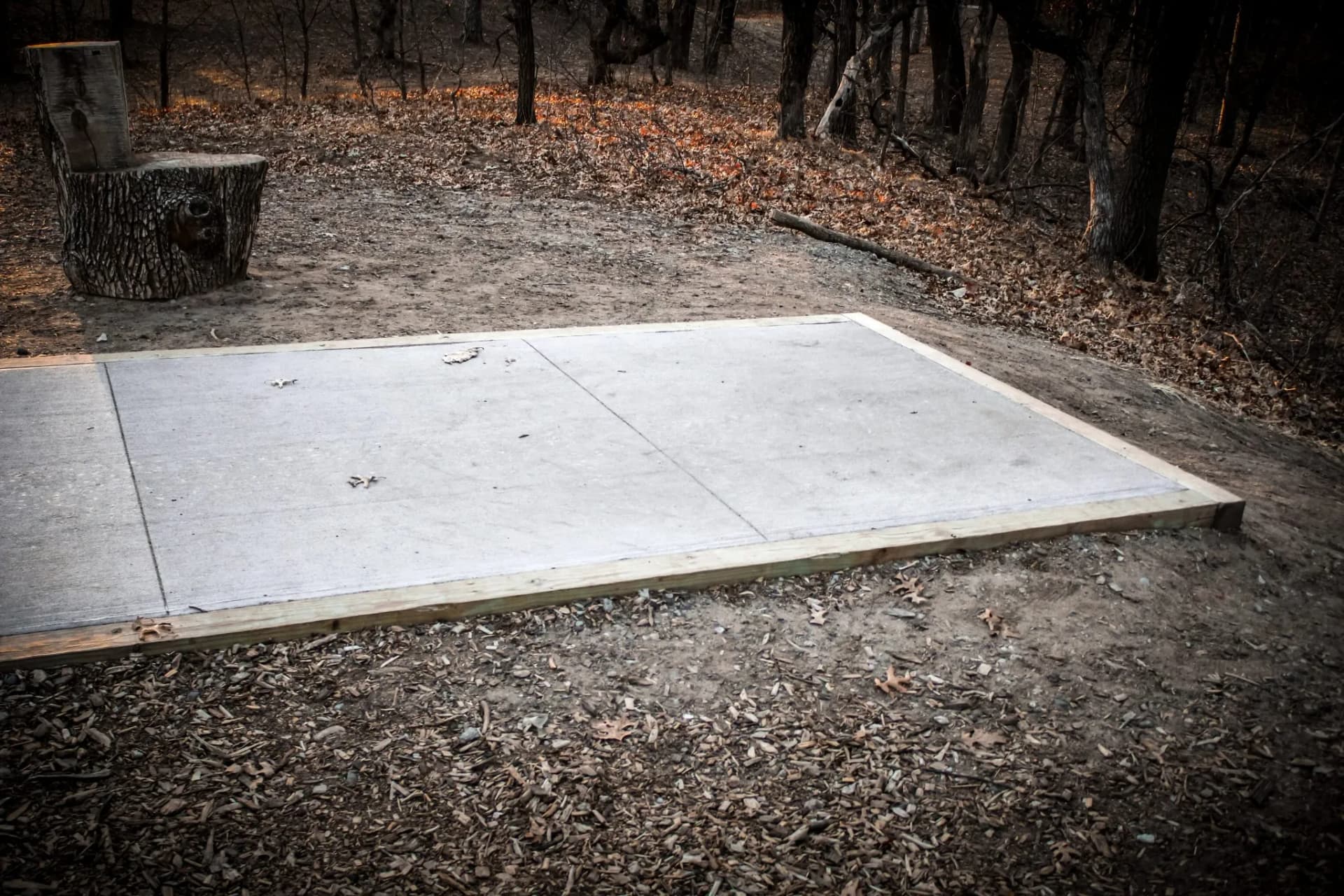
- Excavate to the right depth — not too shallow (leading to settling) and not too deep (wasting material and money)
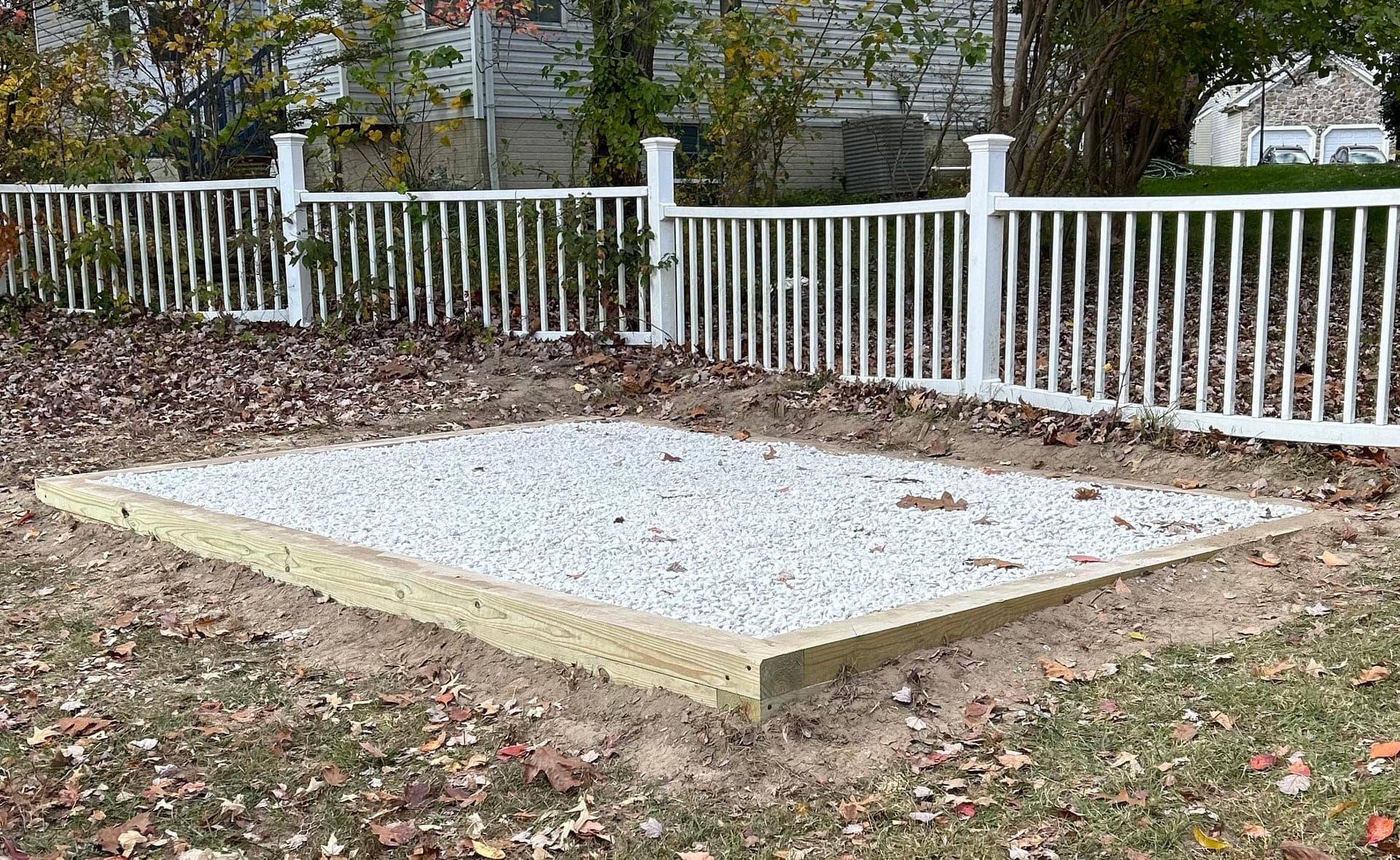
- Compact in layers — soil and aggregate must be compacted in lifts, not just dumped and smoothed
- Verify grades — check that water flows where it should before building on top
The Cost of Skipping It
We've seen countless projects where a previous contractor skipped proper site work to save time and money. The result is always more expensive to fix than doing it right would have been in the first place.
A sinking patio costs more to tear out and rebuild than it would have cost to properly grade and compact the base. A flooded basement caused by bad grading can cost tens of thousands in water damage. A fence that heaves because the posts were set in uncompacted clay needs to be reset — at full labor cost again.
Bottom Line
If you're planning any outdoor project, start with the ground. Get the grade right, address drainage, and compact your base properly. It's not the exciting part of the project, but it's the part that determines whether everything else holds up for decades or starts failing in years.
Bobby
Owner & Lead Contractor at Backyard Bobby's
Bobby is a licensed outdoor construction contractor (MHIC #05-163777) based in Millersville, Maryland. He and his crew have completed hundreds of projects across 19 Anne Arundel County communities — from gravel pads and patios to full deck builds and accessory dwelling units. When he's not on a job site, he writes about what Maryland homeowners should know before starting their next outdoor project.
Ready to Get Started on Your Excavation & Demolition Project?
We provide free estimates for all excavation & demolition projects in Anne Arundel County and surrounding areas.