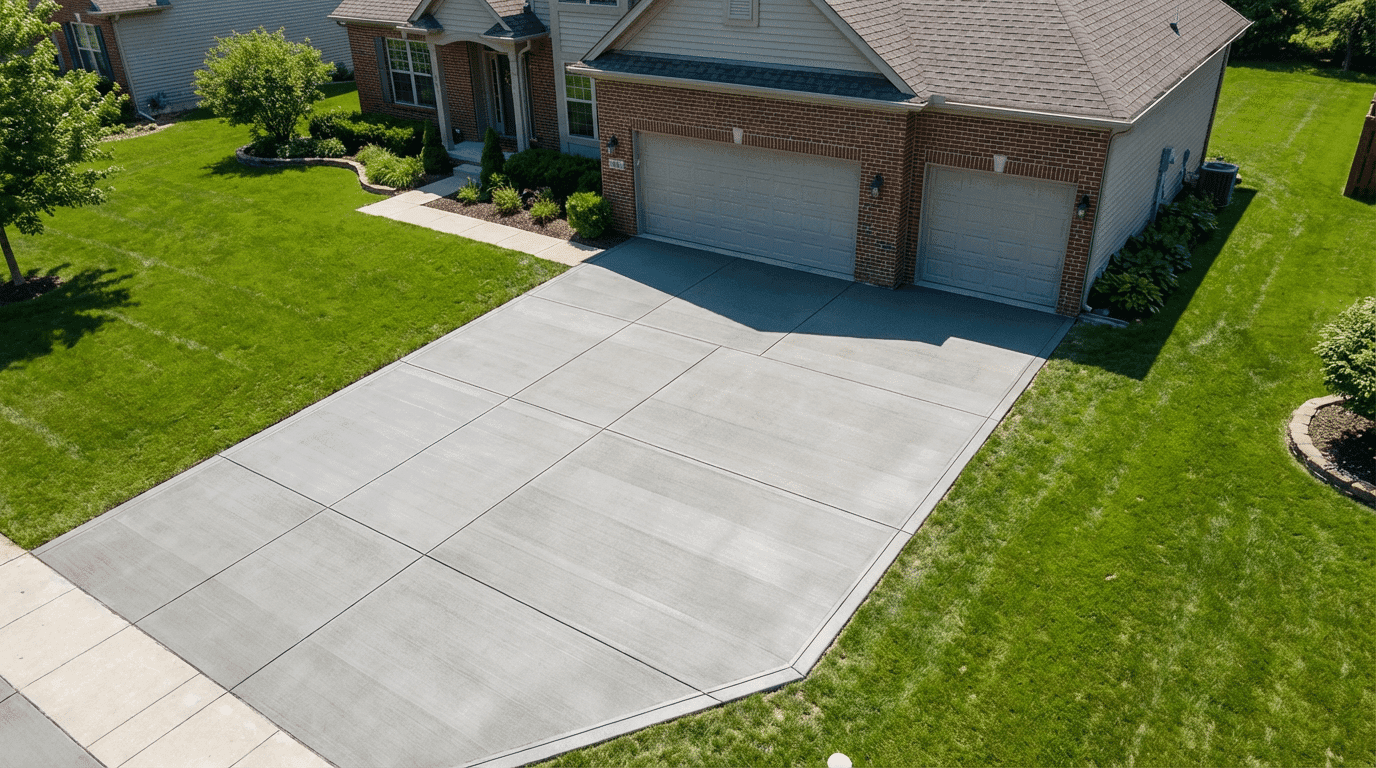
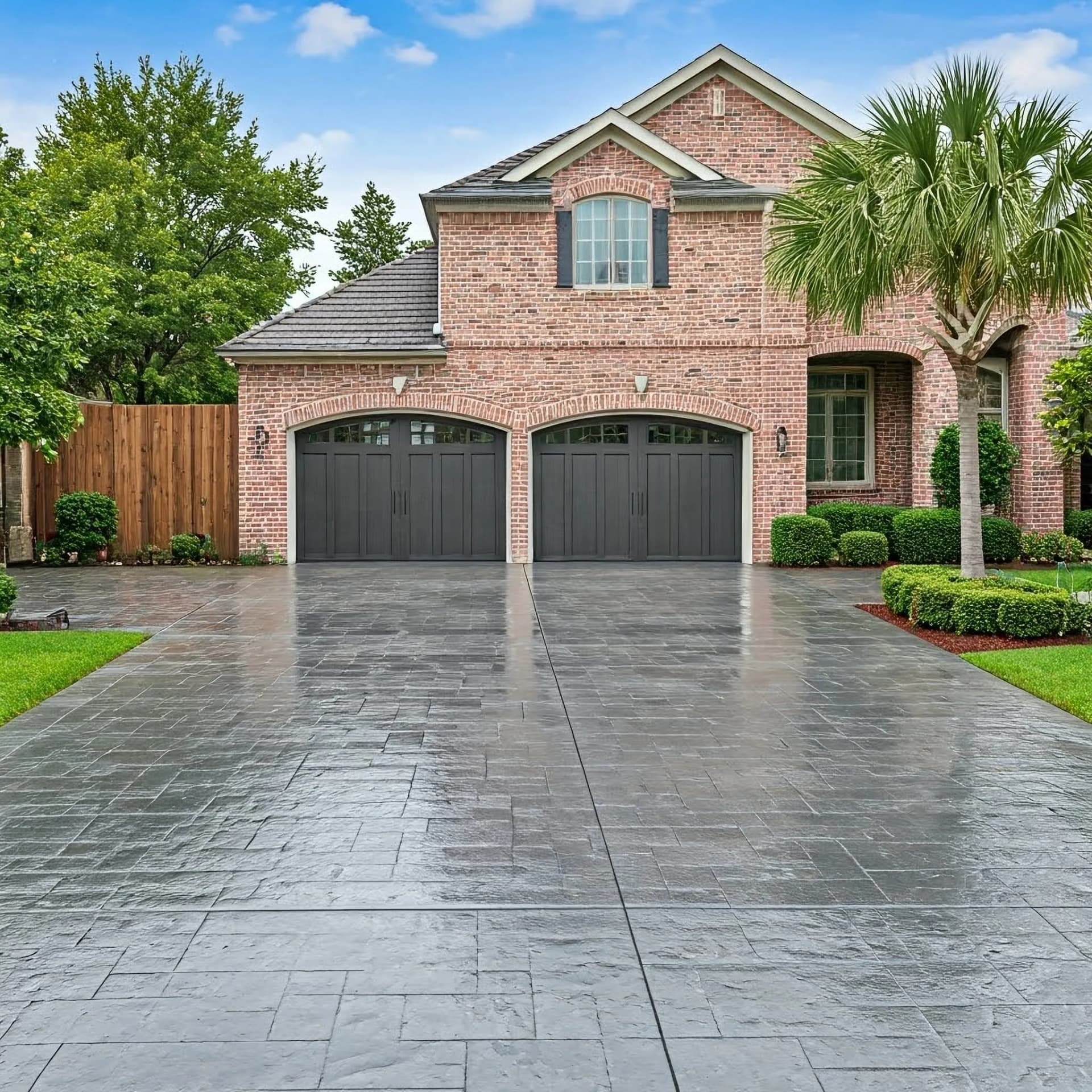
Every driveway I pour, the homeowner asks me the same question before the truck's even washed out. When can I park on it? I love the question, because the first week of a driveway's life decides a lot about the next 30 years. So here's the answer I give my own customers, in writing, on every job.
The Timeline I Put on Paper
- Walking on it: 24 to 48 hours
- Kids' bikes, the mower, trash cans, the basketball hoop: after day 5 or so
- Your car: 7 days
- Anything heavy, meaning moving trucks, RVs, dumpsters, boat trailers, concrete trucks for the neighbor's project: 28 days
I hand this to every customer because a $10,000 driveway can be wrecked in one afternoon by one furniture delivery. The concrete doesn't care that the driver was only there for ten minutes.
Concrete Doesn't Dry. It Cures.
This trips people up, so let me explain it the way I do on job sites. Concrete doesn't harden because water leaves it. It hardens because water reacts with the cement, and that chemical reaction keeps running for weeks. At 7 days the slab has roughly 70 percent of its strength, which is enough for a car. It hits its design strength around 28 days and keeps slowly gaining for years after.
That's also why the weather matters. An August pour in our humidity cures different than a raw November one, and a good crew adjusts for it. If it's brutally hot, we keep the surface damp so it cures instead of bakes. If a contractor gives you the same one-size answer in January that he gives in July, ask more questions.
How Thick Should a Driveway Be?
Four inches of concrete is the standard for cars, and it's what most residential driveways need. If you park a heavy work truck, a boat, or an RV, I'll tell you to go 5 or 6 inches in the areas that carry it. Here's the part worth knowing: thickness does more for a driveway's strength than upgrading the mix does. Going from 4 inches to 5 adds roughly half again the load capacity.
The edges matter too. Edges carry tires badly, so I thicken them, and I reinforce the apron where the driveway meets the street, because that's where trucks turn in and where I see the most failures on other people's work.
The Base Matters More Than the Concrete
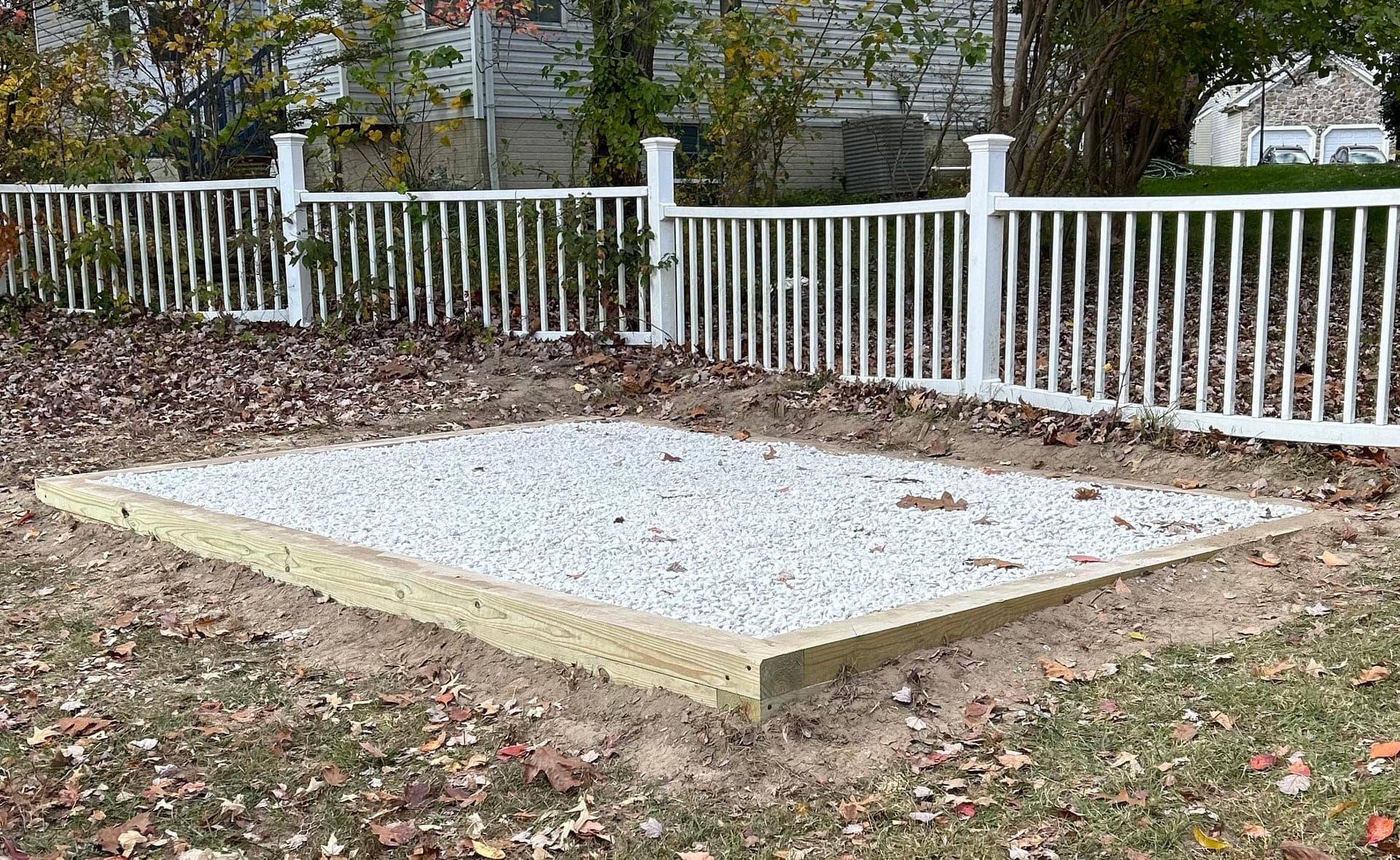
I sound like a broken record on this, but the dirt wins every time. Anne Arundel County clay holds water, and water under a slab plus a Maryland freeze equals heaving and cracking. We dig down to sound ground and build a compacted stone base in layers before a drop of concrete shows up. The full process is on our driveway installation page, and if you want to understand why the ground under your project matters so much, I wrote about that here.
Your First Winter: No Salt. None.
New concrete is still gaining strength through its first year, and deicing salt attacks the surface while it's young. Skip the salt entirely the first winter and go easy after that. Use sand for traction instead. I also recommend sealing the driveway about a month after the pour, once it's cured, so it goes into winter protected.
How Long Will It Last?
Done right, a concrete driveway is a 25 to 30 year surface, and I've seen plenty go longer. Done cheap, you'll be patching it by year five. If you're reading this because your current driveway is already at the patch-it-every-spring stage, I put together the signs it's time to replace instead of repair.
One Last Thing
The hardest part of a new driveway isn't the pour. It's keeping everybody off it afterward. I've seen a week-old slab take tire ruts from a delivery truck the homeowner never saw coming. I leave cones and tape on every job, and I tell my customers to guard that slab like a fresh-mopped kitchen floor. Give it its week. It'll give you its 30 years.
Thinking about a new driveway? Estimates are free and I show up when I say I will.
Bobby
Owner & Lead Contractor at Backyard Bobby's
Bobby is a licensed outdoor construction contractor (MHIC #05-163777) based in Millersville, Maryland. He and his crew have completed hundreds of projects across 19 Anne Arundel County communities — from gravel pads and patios to full deck builds and accessory dwelling units. When he's not on a job site, he writes about what Maryland homeowners should know before starting their next outdoor project.
Ready to Get Started on Your Driveway Installation Project?
We provide free estimates for all driveway installation projects in Anne Arundel County and surrounding areas.